Contents
- How Do Private Student Loans Differ from Federal Student Loans?
- Private Student Loans—Weighing the Pros and Cons
- Using Scholarships to Avoid Student Loans
Many students rely on loans to fund their education. While loans open doors to opportunities that might otherwise be unattainable, they also bring long-term financial obligations that can stretch for years—or even decades. With so much on the line, it’s crucial to carefully consider the benefits and drawbacks before borrowing.
In this article, we’ll break down the advantages and disadvantages of student loans to help you make a smart decision about financing your education.
How Do Private Student Loans Differ from Federal Student Loans?
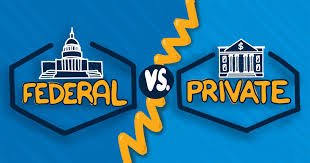
Before diving into the pros and cons of private student loans, it’s important to understand how they differ from federal student loans.
Federal student loans come with fixed interest rates set by the government, meaning they don’t change with market fluctuations. They also offer flexible repayment options, including income-driven plans, which can ease the burden if you hit financial rough patches.
Private student loans, on the other hand, are provided by banks, credit unions, and other private lenders. These loans usually have variable interest rates and fewer repayment options compared to federal loans.
Private Student Loans—Weighing the Pros and Cons
Now that you know the basics, let’s explore the advantages and disadvantages of private student loans.
The Pros of Private Student Loans
- They provide extra funding when you’ve hit the limit on Federal Stafford loans.
- They often have higher borrowing limits than federal loans.
- If you (or a cosigner) have great credit, they can be cheaper than Federal Parent PLUS loans.
- They’re an option if you’ve lost federal aid eligibility due to poor academic progress.
- Some private loans are available even if you’re enrolled less than half-time.
- They can help if your parents can’t or won’t borrow, but someone else is willing to cosign.
- Certain private loans are open to international students with a creditworthy U.S. citizen cosigner.
- Unlike federal loans (capped at $200), private loans can cover past-due school charges.
- Some lenders offer loans for post-graduation expenses, like bar exam prep or medical residency relocation.
- The application process is faster since you don’t need to submit the FAFSA.
- Adding a creditworthy cosigner with excellent credit can secure a lower interest rate.
- You may qualify for a tax deduction on private student loan interest.
The Cons of Private Student Loans
- Needing private loans (or Parent PLUS loans) could mean you’re borrowing too much.
- Most don’t offer income-driven repayment plans.
- They don’t qualify for teacher or public service loan forgiveness.
- Fewer options for relief if you face financial hardship.
- Some (but not all) provide death and disability discharges like federal loans.
- Over 90% of undergrad and 75% of grad private loans require a cosigner.
- Cosigner release options exist, but fewer than 1% of borrowers qualify.
- Discharging private loans in bankruptcy is nearly impossible.
- Approval and interest rates depend on credit scores, income, and employment history.
- Some offer discounts, but you may need to make payments while in school to qualify.
- Fewer repayment plans compared to federal loans.
- Less accessible to low-income students—only 5% receive them, versus 8% of high-income students.
Using Scholarships to Avoid Student Loans
Private student loans can be useful, but if you can’t pay them off quickly, the interest adds up. Deciding whether to borrow depends on factors like your degree’s value, loan costs, and your financial situation.
Ideally, you’ll want to minimize borrowing—and that’s where scholarships come in. Unlike loans, scholarships are free money you never have to repay.
Log into your free Cappex account to browse a huge, updated list of scholarships. Save the ones you like and apply later. Just click the button below to get started!